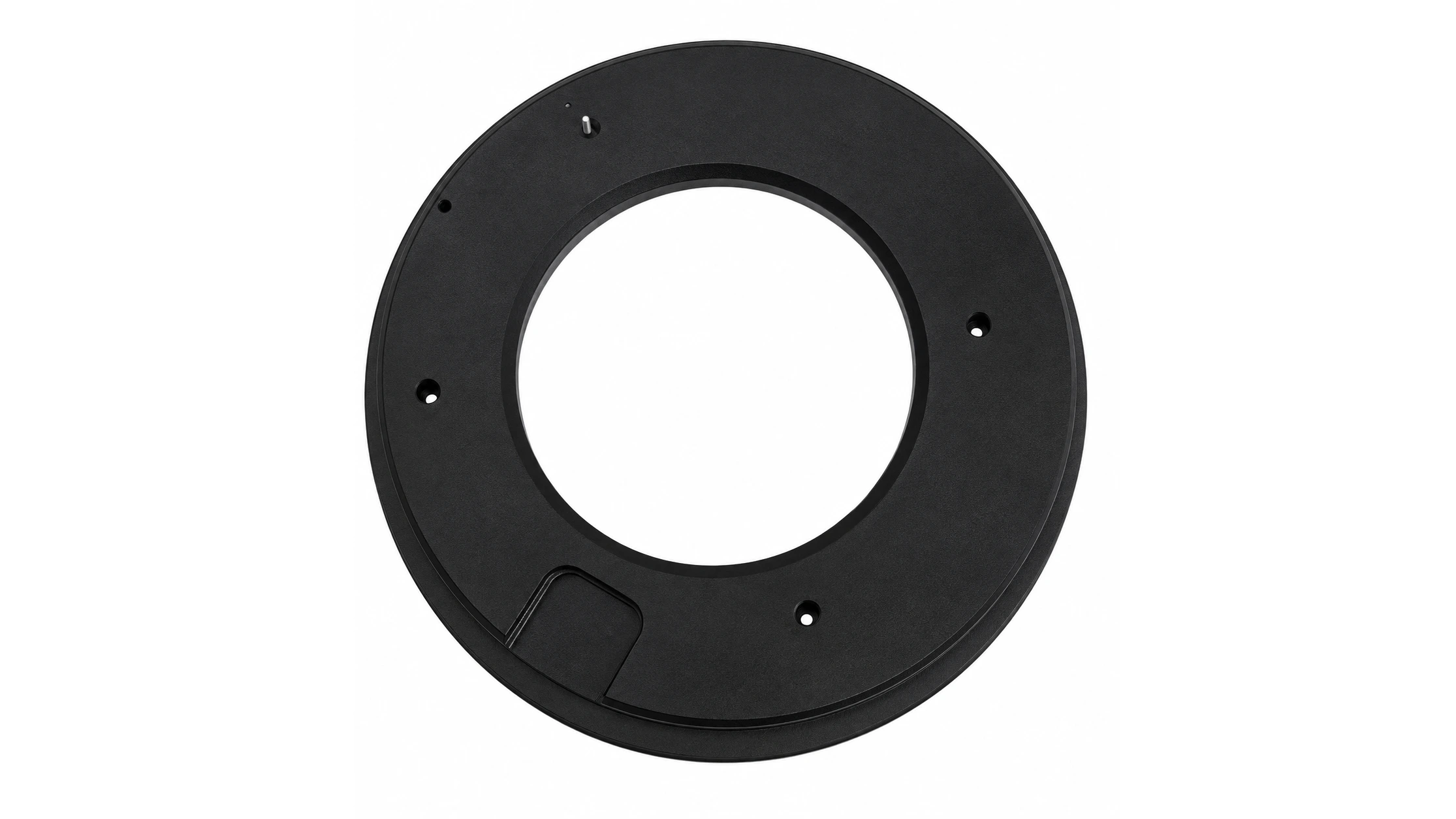
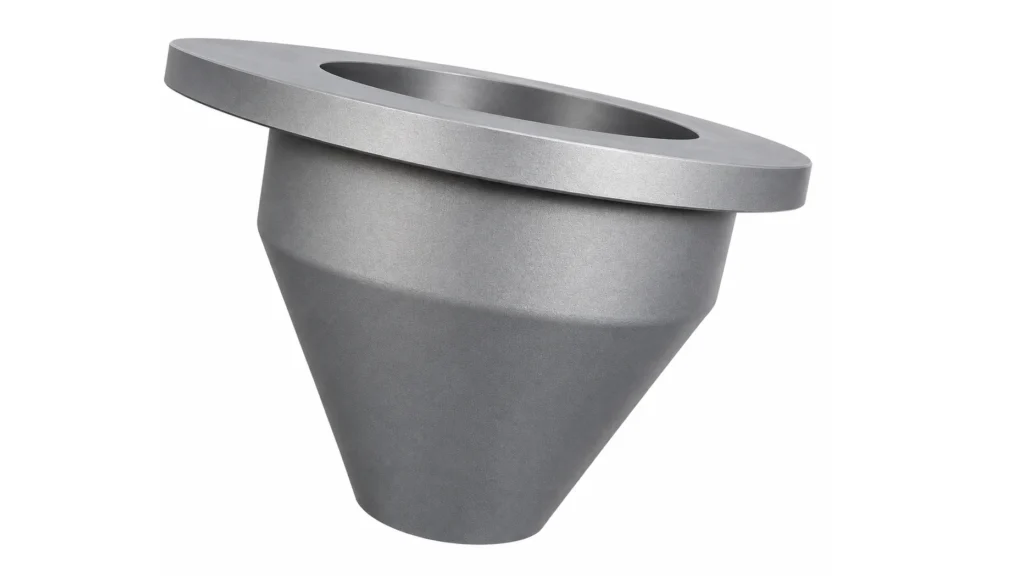
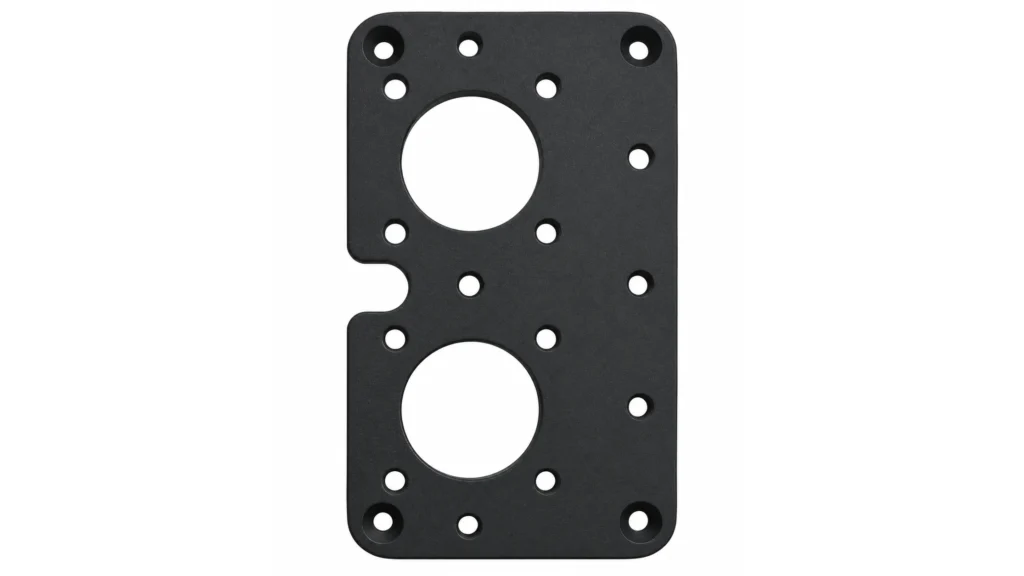
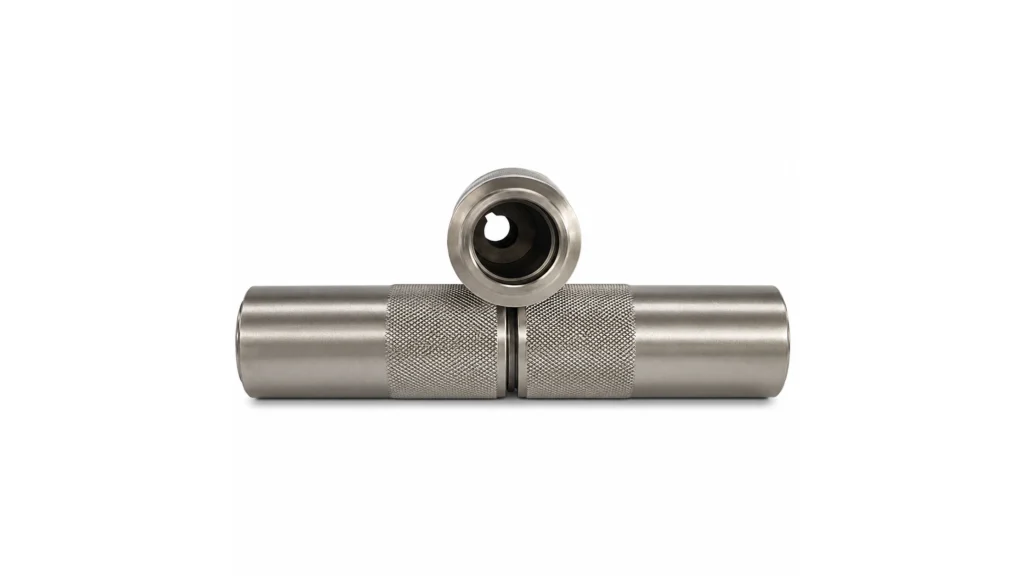
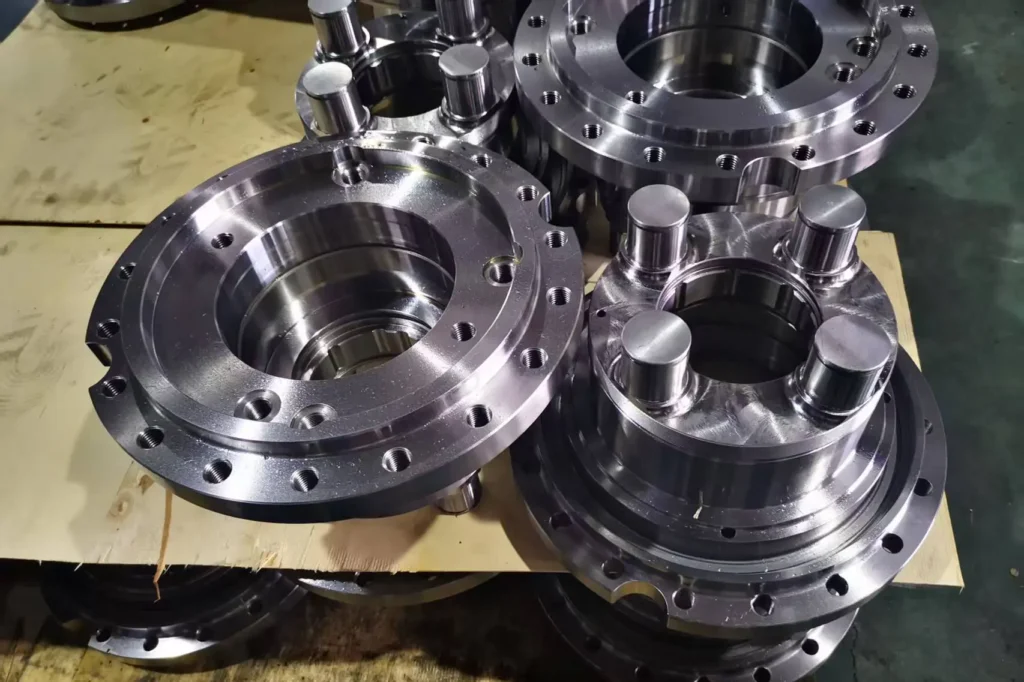
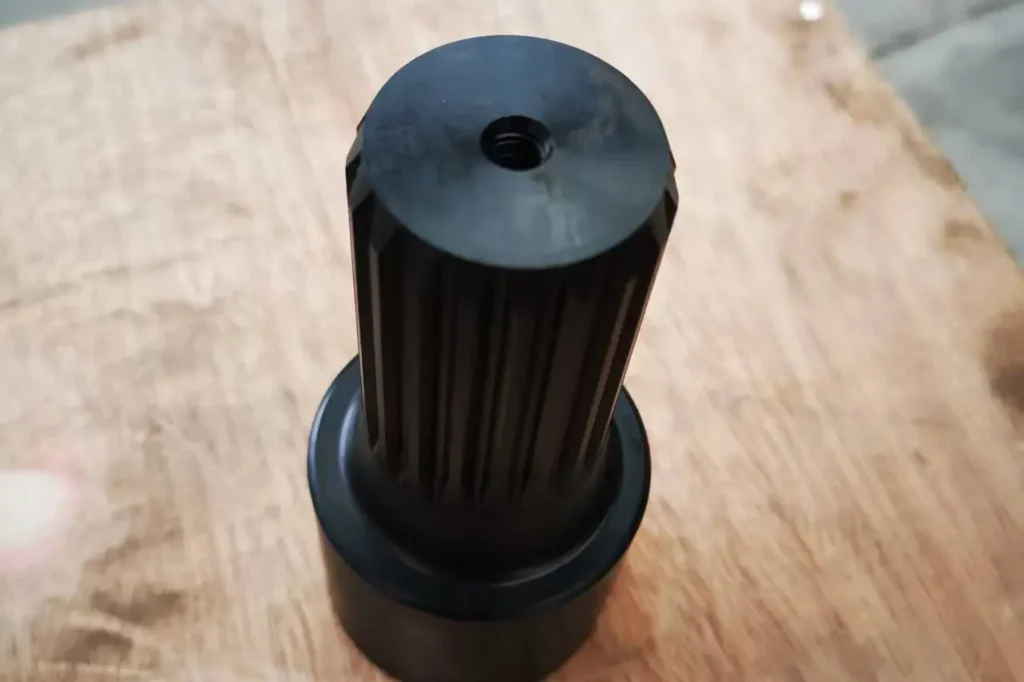
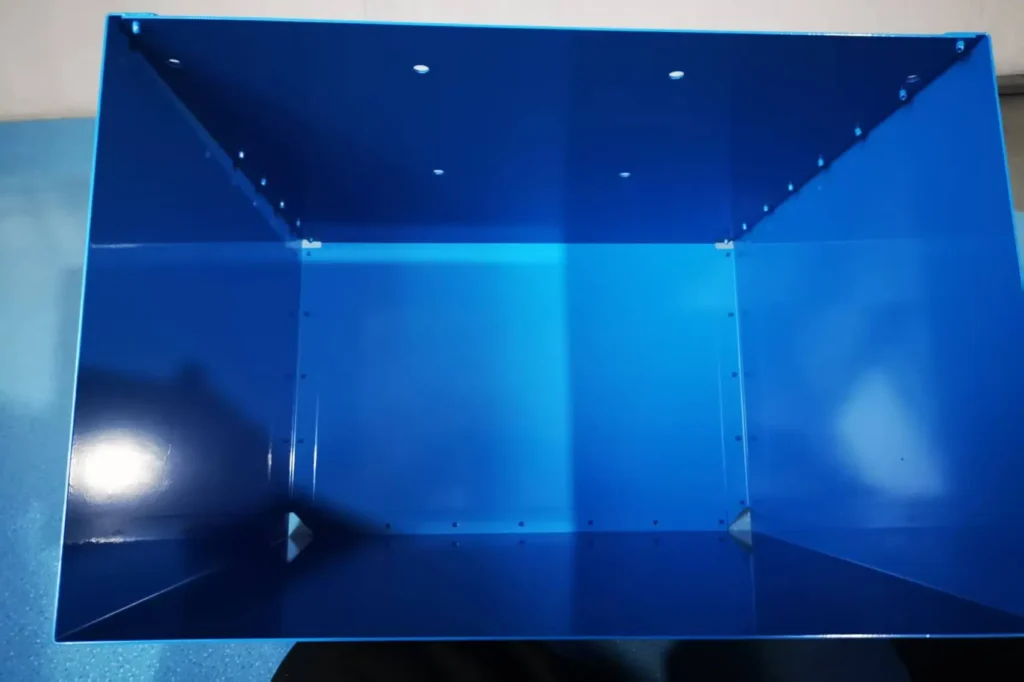
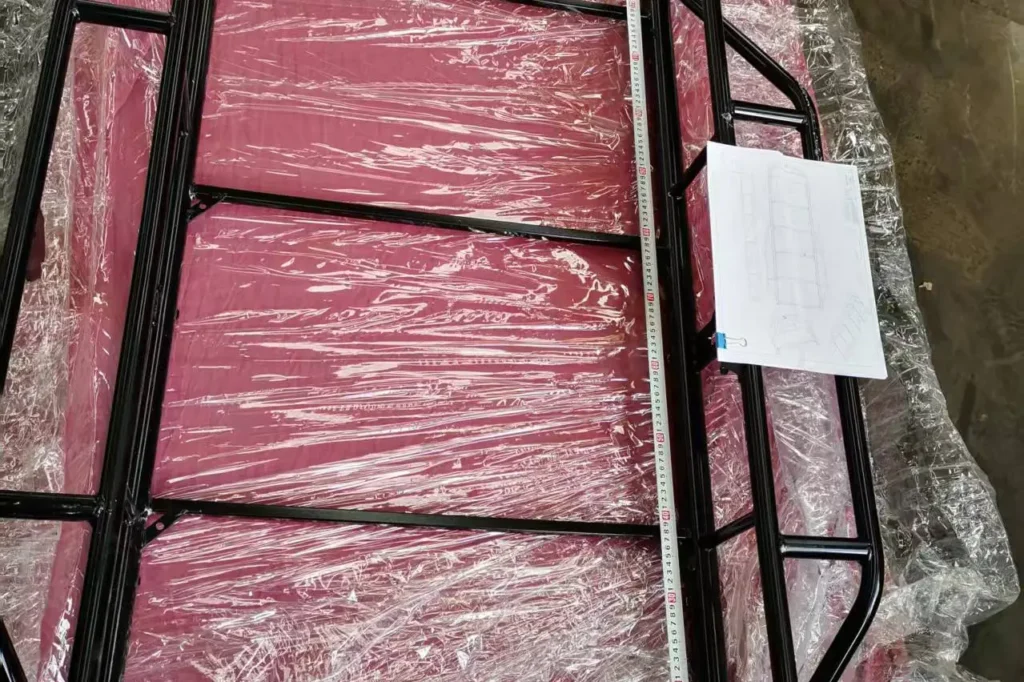
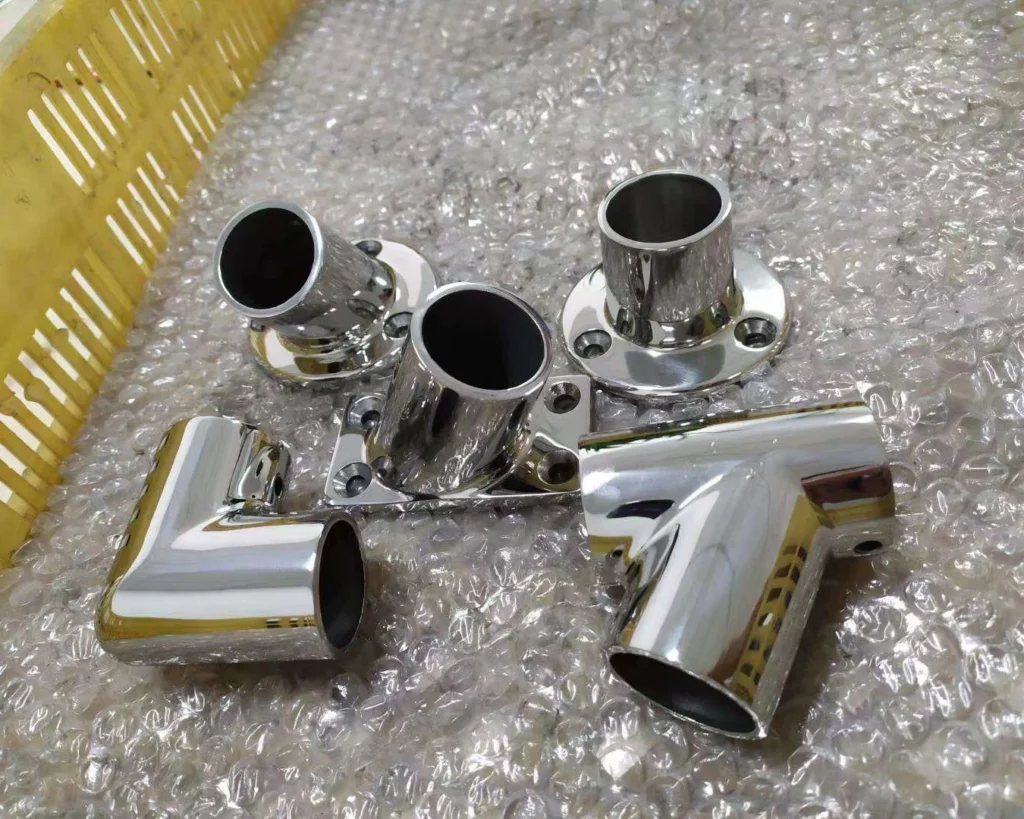
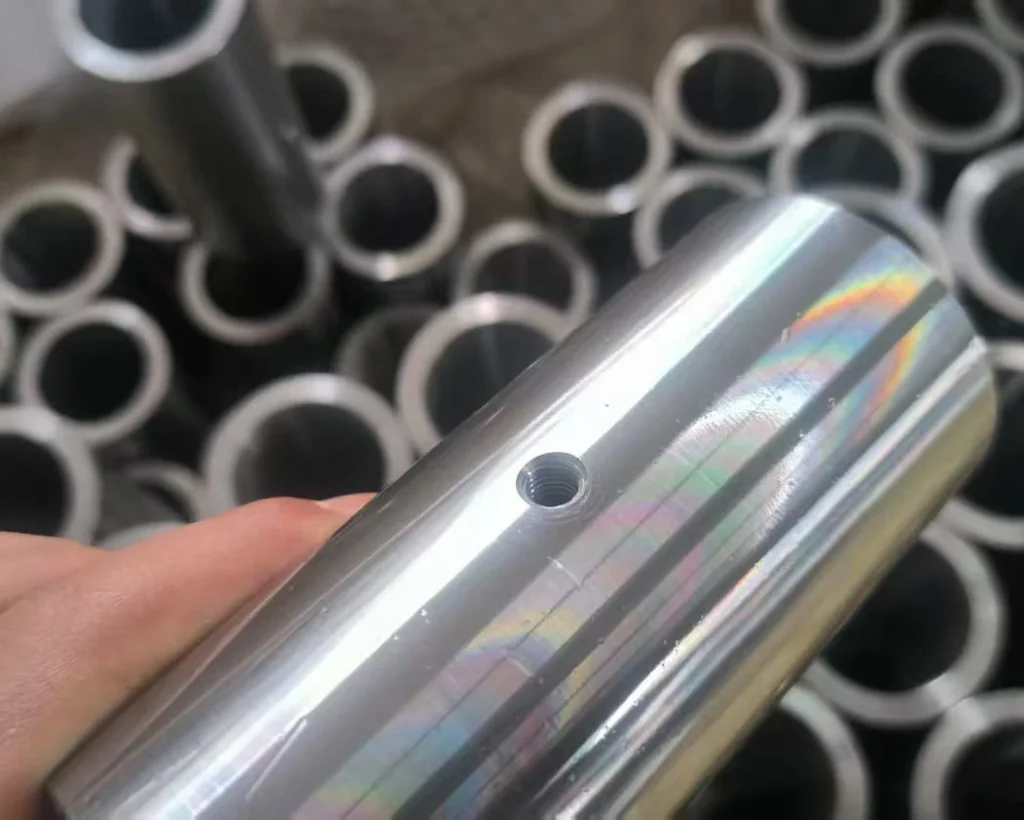
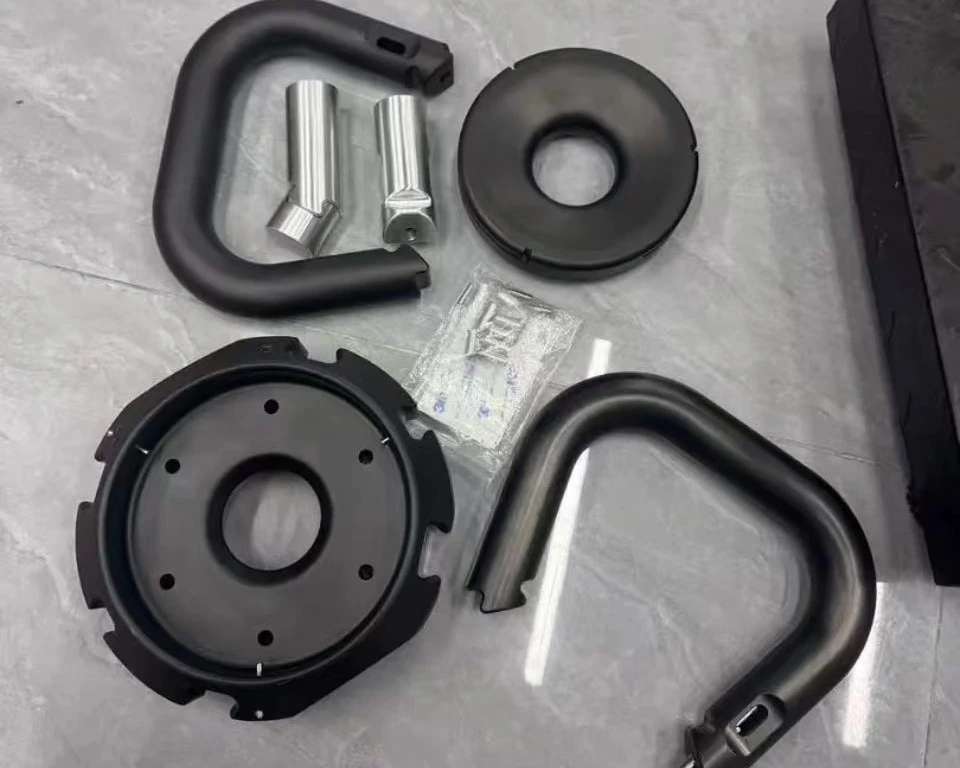
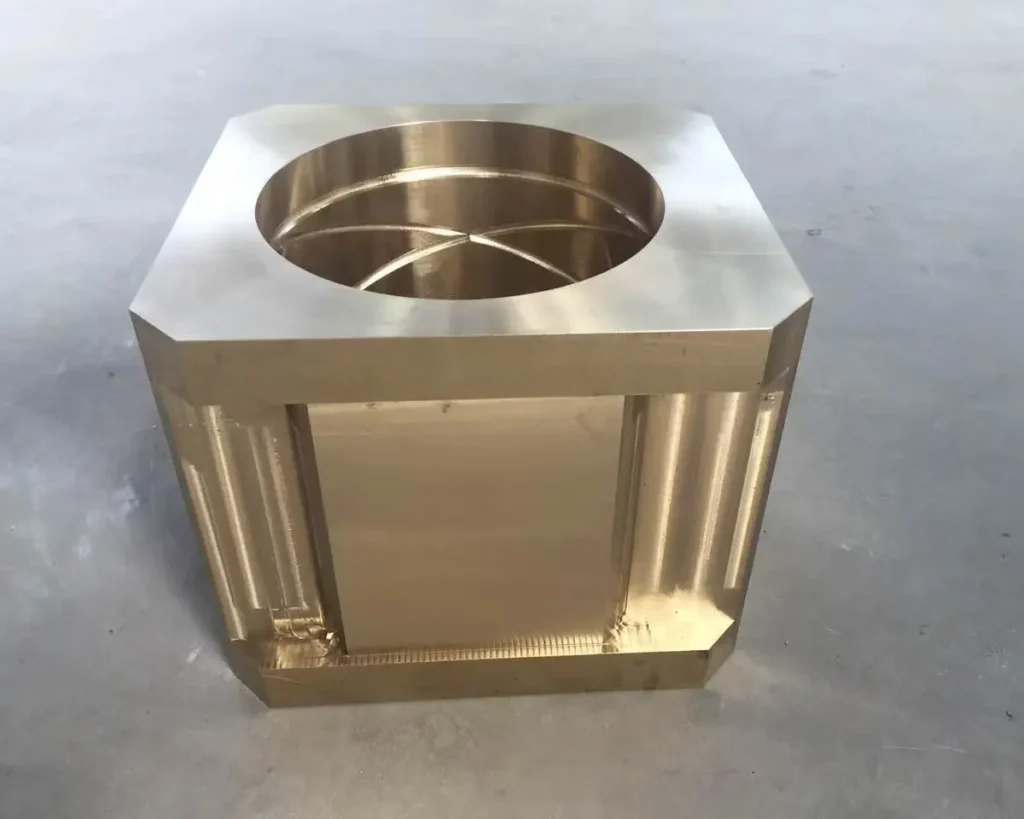
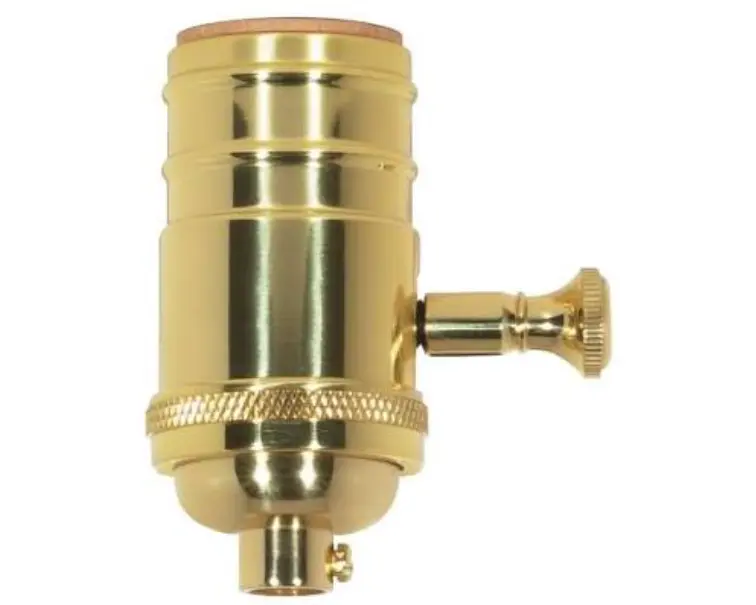
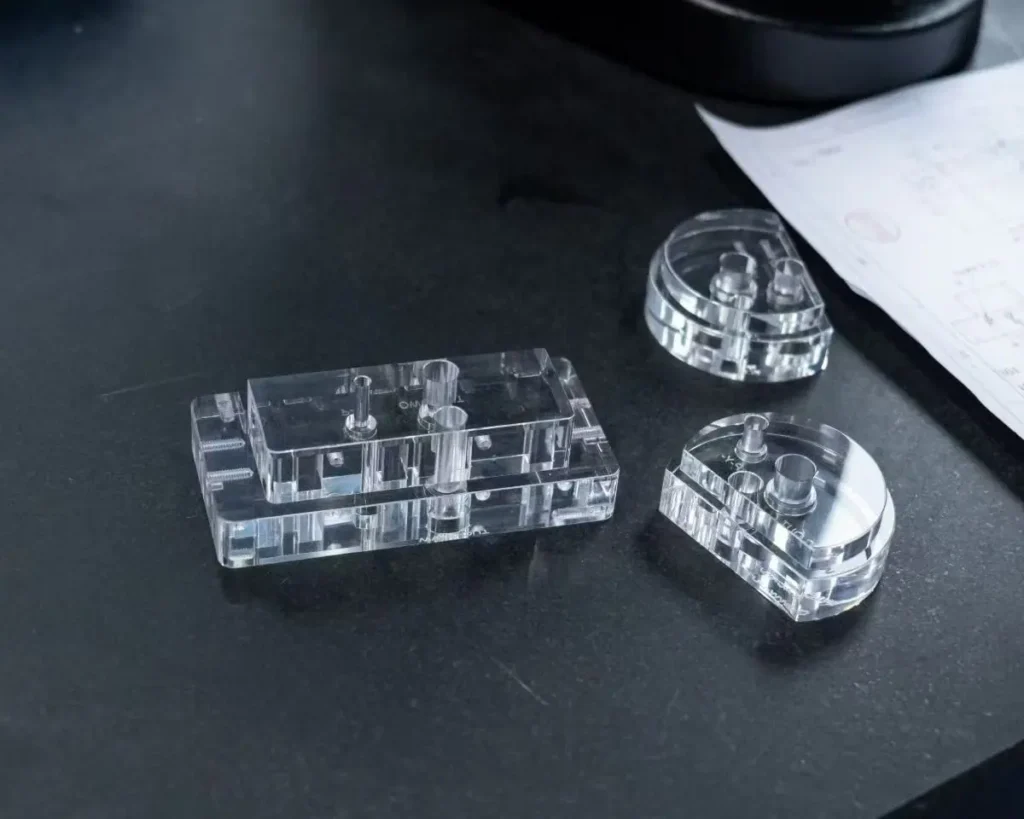
We machine a wide range of aluminum alloys for prototypes and production parts. With advanced CNC machining and reliable finishing options, we deliver high-quality aluminum components for demanding applications.
Key Considerations for Machining
Thin Walls & Distortion
Machining stress and clamping force can affect thin-wall parts. Appropriate workholding and machining sequences help maintain dimensional stability.
Tight Tolerances
Critical dimensions are controlled through process planning and appropriate inspection methods, including CMM inspection when required.
Surface Finish
Tool selection and cutting parameters are optimized according to cosmetic and functional surface requirements.
Anodizing Allowance
For tightly toleranced anodized parts, coating thickness and dimensional build-up should be considered before final machining dimensions are established.
Available Finishes / Post-Processing
Anodized
Hard Anodized
Powder coated
Nickel Plated
Materials We Commonly Machine
Grade / Alloy
Typical Temper / Standard
Key Characteristics
Typical Applications
1018
ASTM A108 / equivalent
Good machinability and weldability; low carbon
General parts, shafts, brackets, fixtures
1045
ASTM A108 / equivalent
Higher strength and hardness than 1018
Shafts, gears, machine components
A36
ASTM A36
Good weldability and formability
Structural parts, frames, base plates
1020
ASTM A108 / equivalent
Good machinability and weldability
Pins, bushings, general parts
4140*
ASTM A29 / equivalent
Higher strength and toughness; alloy steel rather than plain carbon steel
Shafts, gears, high-load components
Strong.Reliable. Cost-Effective.
We machine a wide range of carbon steels for durable, cost-effective components. Our CNC machining capabilities support prototypes and production parts for industrial and mechanical applications.
Key Considerations for Machining
Material Grade
Confirm grade, delivery condition and any material certification before production.
Heat Treatment
Where heat treatment is required, machining allowance and final finishing should be planned around dimensional change.
Surface Finish
Machining parameters and finishing processes are selected according to functional and cosmetic requirements.
Dimensional Stability
Stress, heat treatment and material removal sequence should be considered for long, thin or precision parts.
Available Finishes / Post-Processing
As Machined
Black Oxide
Zinc Plating
Powder Coated
Painting
Grade / Alloy
Typical Temper / Standard
Key Characteristics
Typical Applications
304 / 304L
ASTM A276 / A479 depending on product form
General-purpose corrosion resistance and good formability
Improved chloride and chemical corrosion resistance
Marine, chemical, medical, food and process equipment
303
ASTM A582
Free-machining stainless with improved machinability
Precision turned parts, fasteners, fittings
17-4PH
ASTM A564
Precipitation-hardening stainless; high strength
Aerospace, high-load components, shafts
420
ASTM A276
Martensitic stainless; can be hardened
Shafts, blades, mechanical components
Durable. Corrosion-Resistant. Precise.
We machine stainless steels for parts requiring strength, corrosion resistance and precision. Our CNC processes deliver reliable components for industrial, medical and demanding applications.
Materials We Commonly Machine
Key Considerations for Machining
Tool Selection
Stainless work-hardens easily; rigid tooling and suitable cutting parameters are important.
Heat Generation
Heat should be controlled to protect dimensional accuracy and tool life.
Surface Finish
Surface requirements may include polishing, passivation or controlled machining finish.
Corrosion Resistance
Material grade and post-processing should match the actual service environment.
Available Finishes / Post-Processing
As Machined
Mirror Polishing
Electropolishing
Materials We Commonly Machine
Grade / Alloy
Typical Temper / Standard
Key Characteristics
Typical Applications
4140 / 42CrMo4
ASTM A29 / EN 10083
High strength, good toughness and heat-treat response
Shafts, gears, fixtures, mechanical components
4340 / EN24
ASTM A29 / BS 970 equivalent
Very high strength and toughness
Axles, shafts, drivetrain and high-load components
8620
ASTM A29
Good carburizing response and tough core
Gears, shafts, bushings
16MnCr5
EN 10084
Case-hardening steel with good core toughness
Gears, shafts, transmission parts
52100 / 100Cr6
ASTM A295 / EN ISO 683-17
High hardness and wear resistance after heat treatment
Bearings, rollers, wear components
D2
ASTM A681
High wear resistance; tool steel
Cutting tools, dies, wear tooling
Strong.Tough. Performance-Driven.
We machine alloy steels for high-strength and wear-resistant components. With precision CNC machining and heat-treatment support, we produce reliable parts for demanding mechanical applications.
Key Considerations for Machining
Heat Treatment
Plan rough machining, heat treatment and finish machining/grinding in the correct sequence.
Distortion Control
Heat treatment and asymmetric material removal can cause distortion; machining allowance may be required.
Precision Grinding
Hardened critical surfaces may require grinding to achieve final tolerance and finish.
Surface Finish
Machining strategy should reflect hardness, wear requirements and final functional surfaces.
Available Finishes / Post-Processing
As Machined
Black Oxide
Zinc Plating
Powder coated
Painting
Materials We Commonly Machine
Grade / Alloy
Typical Temper / Standard
Key Characteristics
Typical Applications
C36000
ASTM B16
Free-machining brass with excellent machinability
Connectors, fittings, valves, precision turned parts
C26000
ASTM B36
Good ductility and formability
Electrical and formed components
C46400
ASTM B21 / B124 depending on form
Naval brass with improved seawater corrosion resistance
Marine components, hardware
C38500
ASTM B455 / relevant product standard
Good machinability and hot-working properties
Architectural and machined components
H62 / H59
GB grades
Common Chinese brass grades; properties depend on exact specification
General machined components; use only when customer specification permits
Machinable.Stable. Versatile.
We machine brass for precision components requiring good machinability and corrosion resistance. Our CNC capabilities support fittings, connectors, electrical parts and custom components.
Key Considerations for Machining
Chip Control
Cutting parameters should support clean chip evacuation and stable production.
Tool Selection
Sharp tools help maintain dimensional accuracy and surface quality.
Dimensional Accuracy
Thermal effects, tool wear and workholding should be controlled for tight tolerances.
Surface Finish
Brass can achieve good machined appearance and can also be polished or plated.
Available Finishes / Post-Processing
As Machined
Polishing
Materials We Commonly Machine
Grade / Alloy
Typical Temper / Standard
Key Characteristics
Typical Applications
POM / Acetal
Delrin-type acetal where specified
Good dimensional stability, low friction and machinability
Gears, bushings, precision mechanical parts
PA6 / PA66
Nylon
Good toughness and wear resistance; moisture absorption must be considered
Bushings, rollers, mechanical components
PC
Polycarbonate
High impact resistance and good dimensional properties
Covers, guards, transparent or mechanical components
PEEK
High-performance thermoplastic
High temperature, chemical and wear resistance
Semiconductor, medical, aerospace and demanding industrial parts
PTFE
Fluoropolymer
Very low friction and excellent chemical resistance; relatively soft
Seals, insulators, low-friction components
UHMW-PE
Ultra-high-molecular-weight polyethylene
Excellent abrasion resistance and low friction
Wear strips, guides, rollers, food/packaging equipment where grade is suitable
Lightweight.Versatile. Engineered.
We machine engineering plastics such as POM, Nylon, PTFE and PEEK. Our CNC processes deliver accurate, lightweight components for industrial, electrical and mechanical applications.
Key Considerations for Machining
Material Stability
Moisture absorption, thermal expansion and internal stress can affect dimensions depending on plastic type.
Heat Control
Excessive cutting heat can soften or distort thermoplastics; cutting strategy should minimize heat buildup.
Dimensional Stability
Workholding and machining sequence should avoid excessive clamping force and deformation.
Surface Finish
Tool geometry and cutting parameters should match the specific plastic and cosmetic/functional requirements.
Available Finishes / Post-Processing
As Machined
Frequently Asked FAQs
Common questions about CNC machining materials, surface treatments, heat treatment and processing specifications.
What is the tightest tolerance you can achieve on CNC machined parts?
We can reach precision tolerances up to ±0.005 mm. The final achievable tolerance is affected by material type, part structure and overall size. Stable tolerances between ±0.01 mm and ±0.02 mm can be guaranteed for most standard CNC components.
Have a Cast + CNC Part to Quote?
Send us your 2D drawing or 3D model. We can review the geometry, material, quantity and tolerance requirements and suggest a practical manufacturing route.
All drawings and technical files are strictly confidential